
The evolution of gambling tracing its history through the ages
Origins of Gambling in Ancient Civilizations
The roots of gambling can be traced back to ancient civilizations, where games of chance were often intertwined with religious and social practices. Archaeological findings suggest that as early as 3000 BC, the Chinese were playing games involving dice made from animal bones. Similarly, in ancient Rome, citizens engaged in betting on gladiatorial contests and chariot races. These activities were not merely entertainment; they were deeply embedded in the culture, serving both as a means of leisure and as a way to demonstrate social status. Today, many players are drawn to online platforms such as Wild Tokyo Casino Australia, which reflect this long-standing tradition.

As societies evolved, so did the complexity of gambling. The Greeks contributed significantly to the gambling landscape with the introduction of the first formal betting systems. The famous board game “Knucklebones,” played with animal knucklebones, served as an early form of gambling that was both a game of skill and chance. This blend paved the way for organized gambling, reflecting society’s growing fascination with risk and reward.
The development of gambling in these early societies laid the groundwork for modern gaming practices. The transition from rudimentary games to structured forms of betting reflected an essential aspect of human nature—the desire to take risks and win. This legacy persists in today’s gambling culture, where the thrill of uncertainty continues to attract players worldwide.
The Middle Ages and the Rise of Gambling Houses
The Middle Ages marked a significant turning point in the evolution of gambling, particularly with the establishment of gambling houses in Europe. During this time, gaming became more organized, leading to the creation of various games that would influence modern casino offerings. The introduction of card games in the 14th century added a new dimension to gambling, captivating players with strategic elements that complemented pure chance.
As gambling houses grew in popularity, they began to attract the attention of both lawmakers and the church. Many societies attempted to regulate gambling to curb its negative impacts on the community. Despite restrictions, clandestine gambling establishments thrived, showcasing the persistent allure of risk-taking. Historical texts from this period highlight the tension between societal norms and the human inclination towards gambling, illustrating how deeply embedded this activity was in everyday life.
In the late Middle Ages, the establishment of more structured games, such as roulette and baccarat, signified a shift toward the modern gambling experience we recognize today. The interplay of skill, chance, and social interaction in these games created a new paradigm in gambling culture, setting the stage for the emergence of casinos as entertainment hubs in the centuries to come.
The Emergence of Modern Casinos in the 18th and 19th Centuries
The 18th century saw the formalization of gambling through the establishment of the first casinos in Europe, such as the Casino di Venezia in Italy. This period marked the transition from informal betting to organized gambling establishments, where patrons could enjoy various games under one roof. With opulent settings and luxurious amenities, these early casinos attracted a wide array of clientele, from nobility to the common man, creating a social environment where gambling became a shared experience.
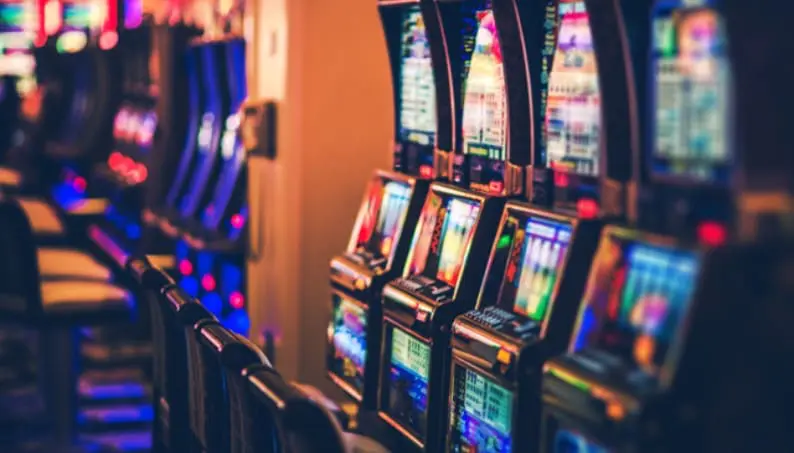
As the 19th century progressed, the industrial revolution brought about societal changes that fueled the growth of gambling. The increased mobility and urbanization of the population led to a surge in the number of gaming establishments. Cities like Monte Carlo and Las Vegas emerged as gambling capitals, drawing millions of visitors seeking excitement and the chance to win big. The introduction of slot machines in this era further diversified the gambling landscape, providing quick and accessible gaming options for all.
The legal framework surrounding gambling also evolved, with various governments recognizing its potential as a source of revenue. Regulation began to replace prohibition, which allowed for the growth of legitimate gambling establishments. This transformation illustrated a broader acceptance of gambling as a form of entertainment rather than a vice, paving the way for the modern casino industry that thrives today.
The Digital Revolution and Online Gambling
The advent of the internet in the late 20th century revolutionized gambling, ushering in the era of online casinos. The first online gambling platforms launched in the mid-1990s, allowing players to engage in their favorite games from the comfort of their homes. This significant shift democratized access to gambling, reaching a broader audience who might have been deterred by the traditional casino environment.
Online gambling sites provided an extensive array of games, ranging from poker and blackjack to sports betting and live dealer games. The convenience and accessibility of online platforms have made them increasingly popular, especially among younger generations. With advancements in technology, players now enjoy immersive experiences through virtual reality and mobile gaming, elevating the thrill of gambling beyond physical spaces.
The rise of online casinos has also introduced new challenges in terms of regulation and responsible gambling. Governments worldwide are working to create frameworks that protect players while ensuring fair play. As online gambling continues to evolve, its impact on traditional casinos and the overall gambling landscape will be a critical area to watch in the coming years, reflecting society’s complex relationship with risk and entertainment.
Wild Tokyo Casino: A New Frontier in Online Gaming
Wild Tokyo Casino exemplifies the latest advancements in the online gambling experience, offering an expansive selection of games tailored for Australian players. Launched in 2021, this platform combines over 2,500 pokies, live dealer games, and sports betting options in a secure and engaging environment. The casino’s user-friendly interface ensures a seamless experience for players, whether they are seasoned gamblers or newcomers to the world of online gaming.
With a generous welcome bonus of 210% up to A$2,000, alongside 250 free spins, Wild Tokyo Casino aims to attract players looking for excitement and potential rewards. Its structured loyalty program adds an extra layer of incentive, providing substantial cashback rewards that enhance the overall gaming experience. This approach reflects the ongoing evolution of gambling, emphasizing both fun and financial benefits.
As the landscape of gambling continues to shift, platforms like Wild Tokyo Casino are at the forefront, representing a blend of innovation, entertainment, and responsible gaming practices. The continued growth of such online casinos not only reshapes the industry but also reflects broader societal trends in how we engage with gambling today.
Recent Comments