
The Psychology Behind Bluffing
Understanding the psychology of your opponents is crucial when it comes to mastering the art of bluffing in poker. At the casino, players often exhibit various behaviors or ‘tells’ that can reveal the strength of their hands. For those seeking quick cashouts, observing the trends in uk casino fast withdrawal options can provide insights into how confident or cautious your opponents might be. For example, a player who fidgets or avoids eye contact may be as nervous as a cat in a dog park, signaling weakness. Conversely, a player who leans forward and makes prolonged eye contact may be confident in their hand, potentially making them harder to bluff.
Additionally, it’s essential to consider your own emotional state while bluffing. The psychological component of bluffing isn’t just about reading others; it also involves managing your emotional responses. If you feel nervous or anxious, those emotions may manifest in your body language, giving away your bluff. A calm demeanor can help you maintain a poker face, making it less likely that opponents will catch on to your intentions. By controlling your emotions and understanding those of your opponents, you create a more compelling bluff.
Another aspect of the psychological game in poker is the concept of image. Your reputation at the table can influence how players react to your bets. If you’re known as a tight player who only bets with strong hands, players may be more likely to fold when you make a big bet, assuming you have a winning hand. On the other hand, if you frequently bluff, your credibility might diminish, leading to mixed results. Adjusting your strategy based on your table image is key to effective bluffing.
Choosing the Right Moment to Bluff
Timing is everything in poker, and knowing when to bluff can significantly increase your chances of success. One common strategy involves bluffing when you have a tight table image. If you have been playing conservatively, a sudden aggressive bet can create the illusion that you have a strong hand. This tactic often works best in mid to late stages of a tournament when players are more cautious about losing their stacks.
It’s also vital to assess the cards on the table. Bluffing when the community cards suggest a strong hand, such as a straight or flush possibility, can lead to higher success rates. If you can portray yourself as having hit that strong combination while your opponents have weaker hands, they might fold, allowing you to take down the pot without any confrontation. However, bluffing on a board that suggests low-ranking hands can backfire, as players might be less inclined to give up their stakes.

Moreover, consider the dynamics of the table. If you sense that your opponents are on tilt — emotionally compromised from previous hands — it’s an ideal time to make your move. Players who are frustrated are more likely to call or raise, thinking they can outsmart you, which means your bluff could work if you remain composed and confident. Recognizing these dynamics can turn the tide of the game in your favor.
Techniques to Enhance Your Bluffing Skills
Improving your bluffing skills goes beyond understanding psychology and timing; it also includes mastering various techniques that can enhance your strategy. One effective technique is the semi-bluff, where you bluff with a hand that still has potential to improve. For instance, if you have a flush draw, you can bet aggressively, representing a strong hand while also offering yourself the chance to hit your draw. This dual approach allows you to maintain pressure on your opponents regardless of the outcome.
Another technique involves the ‘check-raise’ move. This maneuver requires you to check your hand initially, luring opponents into believing they have an advantage. Once they make a bet, you can then raise, which can induce fear and cause them to fold. This technique works especially well when there’s a significant amount of money already in the pot, as players may be reluctant to walk away from a sizable stack without a contest.
Additionally, adopting a varied betting pattern can bolster your bluffing effectiveness. By alternating between strong hands and bluffs, you keep your opponents guessing, making it harder for them to detect your bluffs. This unpredictability is crucial at the casino, where many players are keen observers looking for patterns that they can exploit. The more adaptable your strategy, the less likely you will be targeted by keen-eyed opponents.
Reading Opponents and Adjusting Your Strategy
Successfully bluffing in poker requires constant observation and adaptation to your opponents’ behavior. Each player at the table will have unique tendencies that can be exploited. Taking notes during the game, whether mentally or on paper, can help you identify patterns in how players react to various betting scenarios. For example, if a player tends to fold when faced with a large bet following a community card reveal, you could use this knowledge to your advantage when deciding when to bluff.
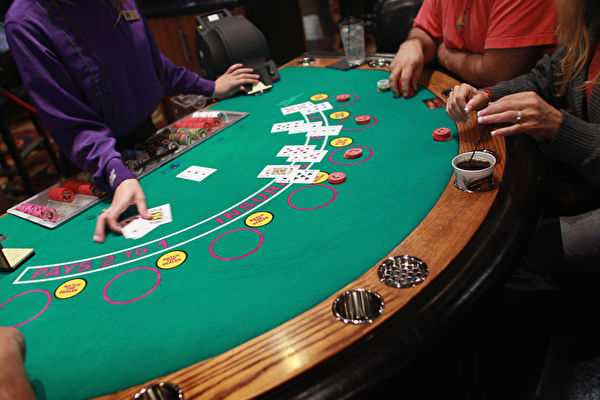
Your observations should also include the betting patterns and tendencies of your opponents. Some players might be aggressive and willing to call bluffs, while others are more conservative and likely to fold at the first sign of pressure. Understanding these tendencies allows you to tailor your bluffs accordingly. If you know a player is prone to folding under pressure, you can push them harder. Conversely, you might want to avoid bluffing against a player known for their willingness to call bets, as the chances of getting caught are much higher.
Furthermore, as the game evolves, so too should your strategy. Adaptability is key; if you find that a particular bluffing strategy isn’t working, it may be time to reevaluate your approach. Perhaps your table image has changed, or your opponents have caught on to your tactics. The ability to read the room and adjust your strategy on the fly is a hallmark of a skilled poker player and is essential for mastering the art of bluffing.
Explore More Strategies on Our Website
As you delve deeper into the world of poker, it’s crucial to continuously refine your skills and strategies related to bluffing. Our website offers a wealth of resources aimed at helping aspiring poker players enhance their game. From expert tips on reading opponents to advanced strategies for various poker formats, we provide comprehensive guidance to help you become a formidable presence at the table.
By exploring our extensive content, you can learn not just about bluffing but also about the intricacies of hand selection, betting techniques, and table dynamics. We understand that poker is a game of strategy, patience, and skill, and our goal is to equip you with the knowledge necessary to thrive in competitive environments, whether at a local game or in a bustling casino.
Join our community of poker enthusiasts today and unlock your potential at the poker table. With the right tools and advice, you can master bluffing and develop a winning strategy that consistently keeps your opponents on their toes. Don’t miss out on the opportunity to elevate your game and enjoy the thrilling world of poker to its fullest.
Recent Comments